Backyard and Outdoor Rodent Control in Puyallup, WA
Outdoor rats and mice live in woodpiles, sheds, compost, and garden beds, and they move indoors when the weather turns. We remove the outdoor population at the source, then seal the house so the next group cannot follow. Call (253) 452-0383.
A rat in the yard is not a yard problem for long. Outdoor rodents test the house every night, and the ones that find a gap become indoor rodents.
Backyard and Outdoor Rodent Control, Done Right
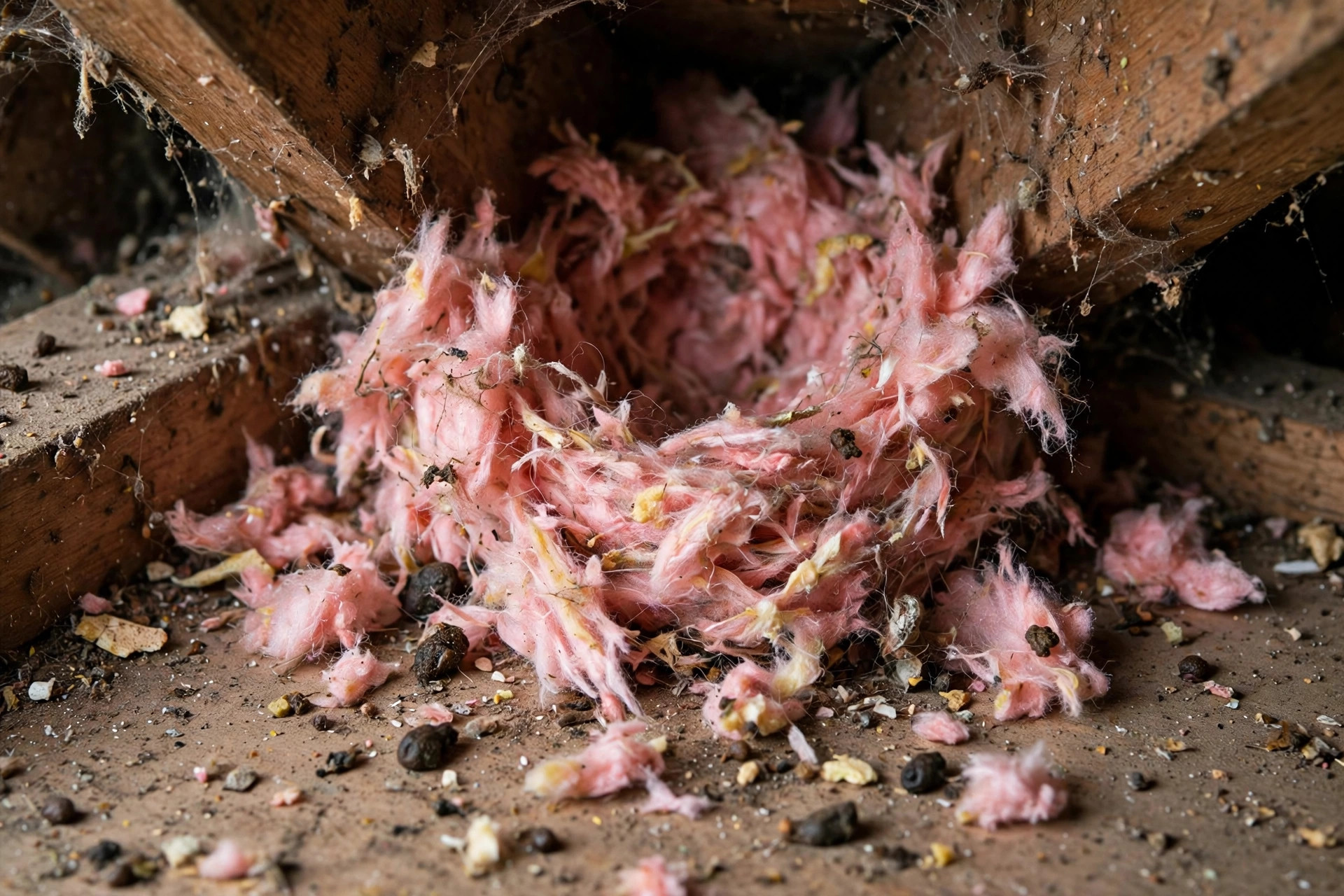
Outdoor rodent control starts with a yard inspection, not a trap. We walk the property looking for runs, burrows, droppings, and the food and water sources that keep rodents close: woodpiles, sheds, compost heaps, dense shrubs, fruit trees, bird feeders, pet food, and standing water. Each of those is a harborage, and each one feeds the population that eventually tests the house.
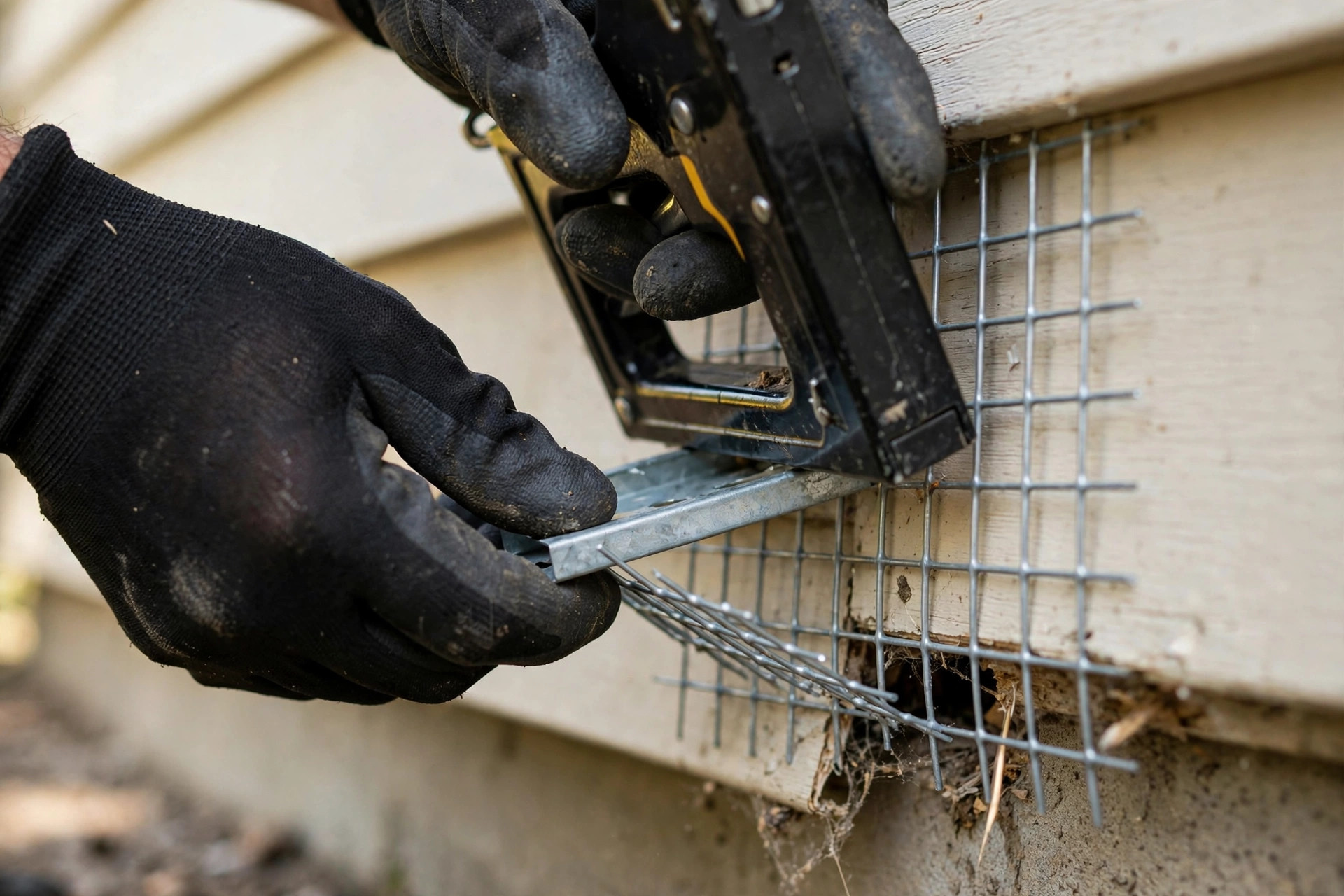
Then we trap the outdoor population on the runways rats actually travel, along fences, foundations, and wall bases. Trapping the yard without sealing the house just makes room for the next group, so the same job seals the foundation gaps, vent covers, door sweeps, and roofline entries the yard rats were using.
The last part is the yard itself. Moving a woodpile away from the house, keeping feeders managed, picking up fallen fruit, and clearing dense cover near the foundation all make the yard less attractive. Those changes are what keep the next group from settling in after the first one is gone.
How Backyard and Outdoor Rodent Control Works
Every outdoor job follows the same four steps. First we inspect the yard: runs, burrows, droppings, and food and water sources. Then we trap the outdoor population on the runways they travel. Next we seal the house perimeter, because the yard rats were already testing it. Finally we make the yard changes that keep the next group from settling in.
Yard inspection
Runs, burrows, droppings, and food and water sources mapped across the whole property.
Remove the outdoor population
Traps placed on runways along fences, foundations, and wall bases.
Seal the house
Foundation gaps, vents, door sweeps, and roofline entries closed with rodent-proof materials.
Yard changes
Woodpiles, feeders, fruit, and dense cover near the house handled so the yard stops attracting them.
Signs of Outdoor Rats and Mice
- Burrows along fences and foundations
- Droppings near woodpiles, sheds, and compost
- Fruit or garden produce going missing
- Rats seen at dusk along fences
- Gnawed shed doors or compost bins
- Pet food disappearing overnight
- Worn runs through grass along walls
- Nesting in stored yard items
Where Outdoor Rats Live
Woodpiles are the classic harborage: stacked logs give rats shelter, warmth, and a runway straight to the house wall. Sheds and outbuildings come next, especially ones with gaps under the door or around the base. Compost heaps, dense ivy and shrubs, and fruit trees all feed and shelter the population, and bird feeders scatter seed that rats collect every night.
Pet food left outside overnight and water bowls left out do the same job as a feeder. A yard with food, water, and cover next to a house is not a matter of if rodents arrive, but when.
Why Outdoor Control Has to Include the House
Trapping the yard alone is a short fix. The rats that live outside are the same ones testing the foundation every night, and the population replaces itself from the neighborhood. The house perimeter is the real boundary: foundation gaps, vent covers, door sweeps, and roofline entries are where the outdoor problem becomes an indoor one.
That is why every outdoor job includes a full perimeter seal. The yard population gets removed, the house gets closed, and the yard changes make the next group look elsewhere.
Why Puyallup Yards Attract Outdoor Rodents
Puyallup's valley farmland edges, fruit trees, and greenbelts keep a steady outdoor rodent population close to homes. Rats move from fields and open ground into yards in fall, when garden food is gone and the weather turns wet and cold.
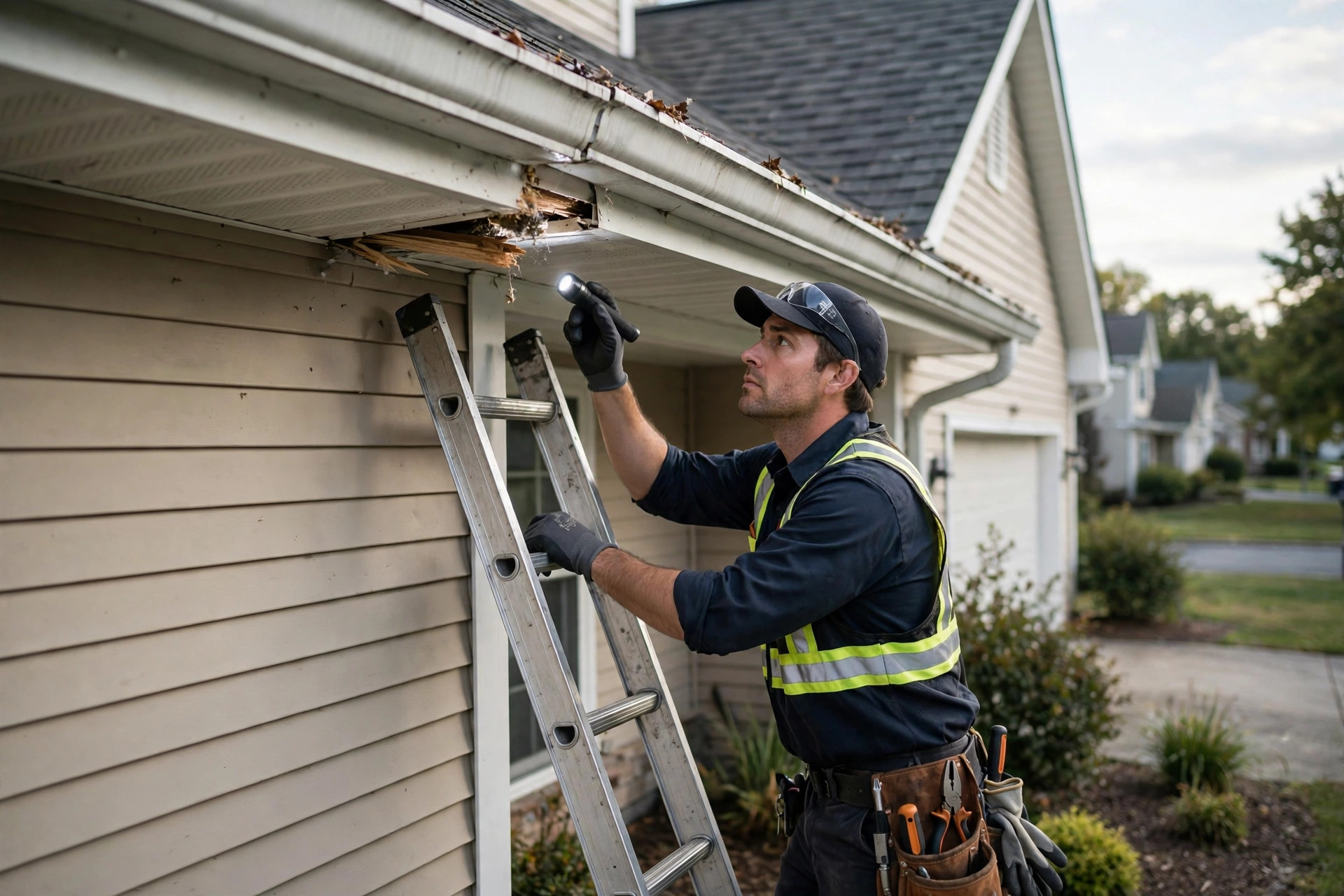
Older neighborhoods with mature trees and woodpiles give roof rats climbing routes into attics, while valley-floor yards with sheds and compost give Norway rats burrowing ground. Both species end up testing the same houses, which is why the yard and the house get handled in one plan.
Honest Advice Before You Book
Bird feeders are the most common attractant we find. Seed on the ground feeds rats every night, and a feeder near the house trains them to visit the wall. Moving the feeder away from the house, or taking it down for a few weeks, helps more than any single trap.
Moving a woodpile away from the house wall matters too. A pile stacked against the siding is a nest site with a runway into the house. And skip poison outdoors: it endangers pets, owls, and other wildlife, and poisoned rats die where they cannot be reached. Trapping plus sealing is the approach that actually ends an outdoor problem.
Backyard and Outdoor Rodent Control FAQs
More Rodent Control Services in Puyallup
Rodent Removal
Professional rat and mouse removal from walls, attics, crawl spaces, and living areas.
Learn more →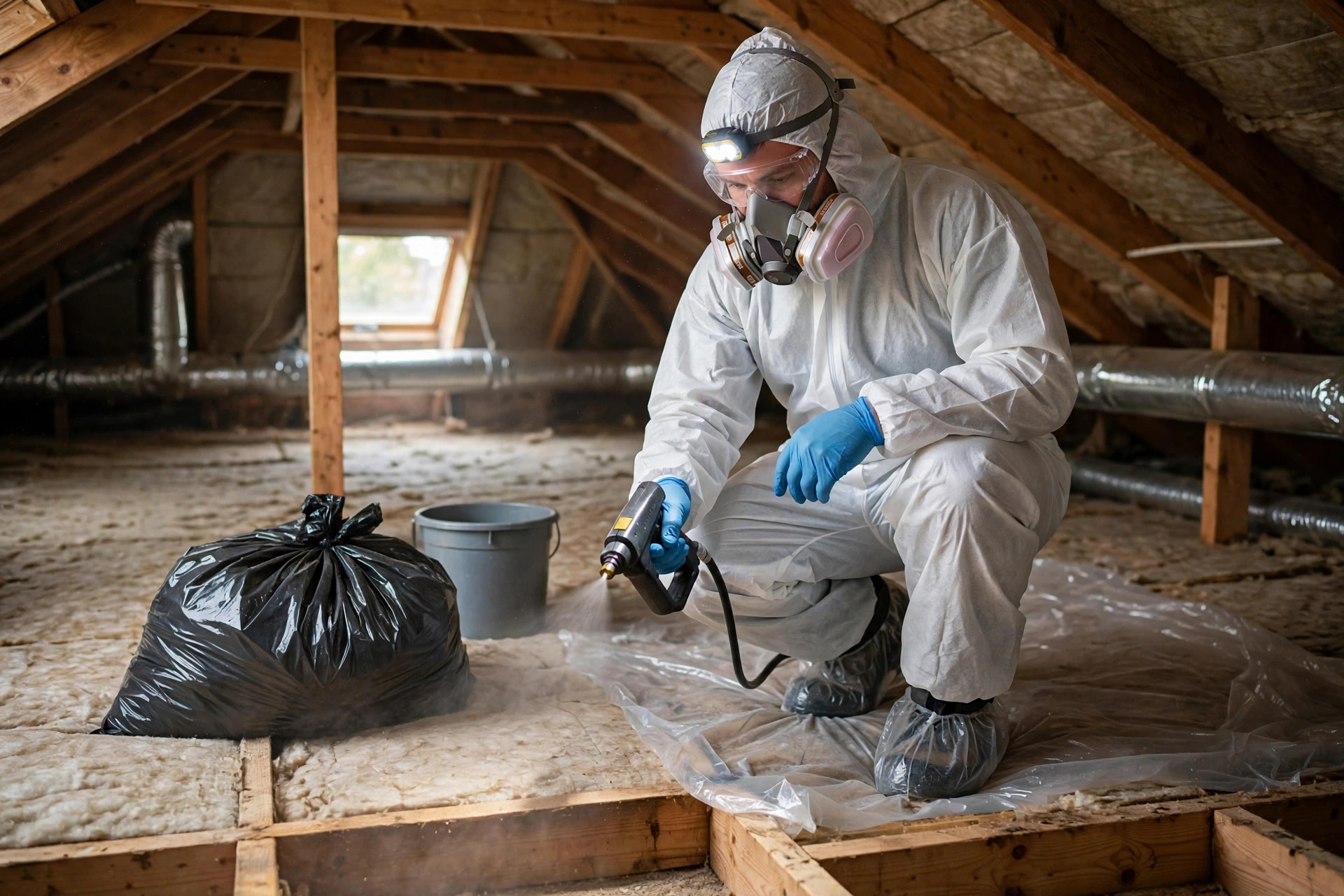
Rodent Exclusion
Permanent rodent exclusion: entry-point sealing for foundations, doors, pipes, and rooflines.
Learn more →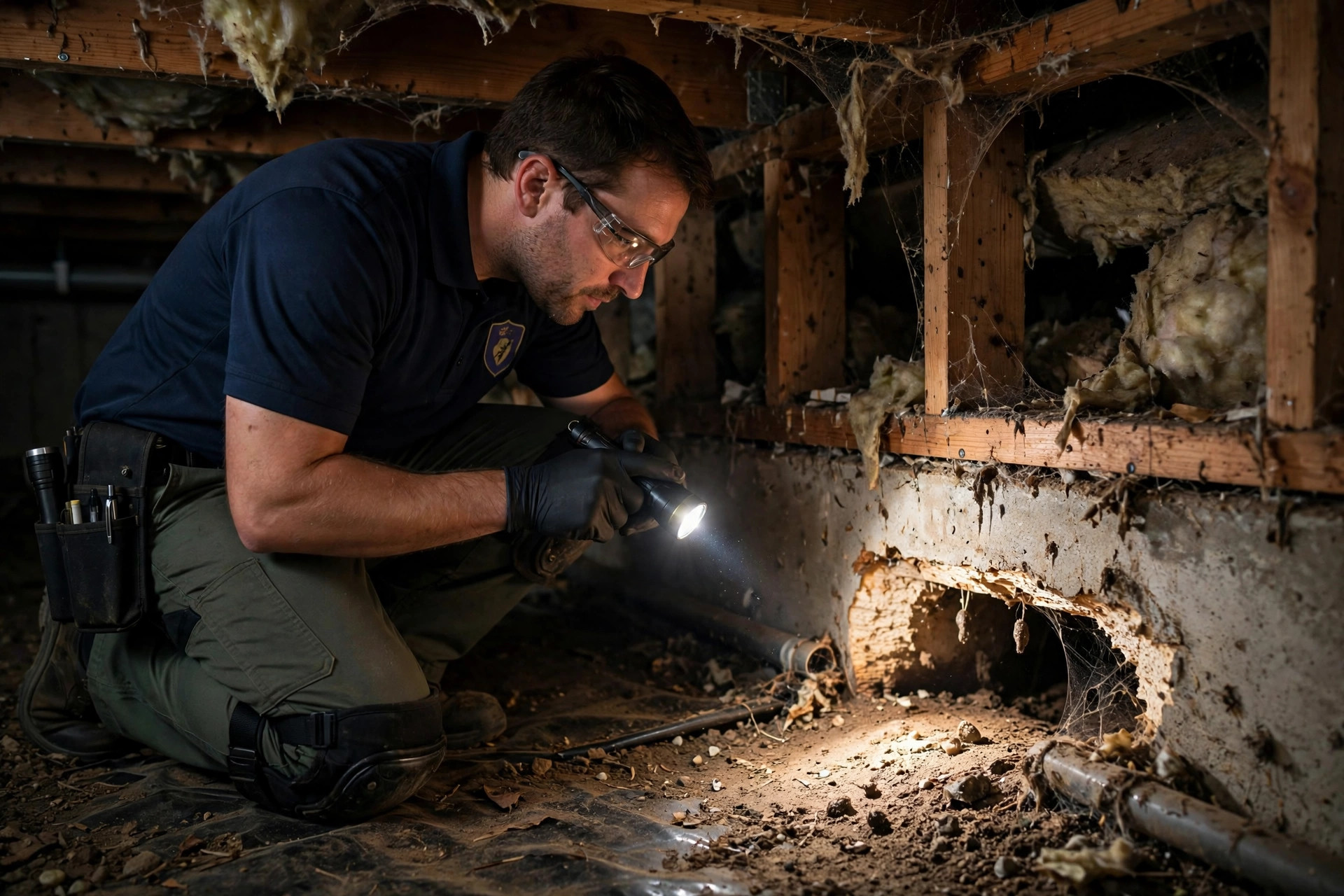
Rat Exterminator
Dedicated rat extermination: Norway and roof rat removal, exclusion, and cleanup.
Learn more →Ready to Solve Your Backyard Rodent Problem?
Call Puyallup Rodent Pros now for fast backyard and outdoor rodent control in Puyallup, WA.
(253) 452-0383Call Now