Garage and Basement Rodent Control in Puyallup, WA
Rats and mice treat garages and basements as the front door to your house. We remove the rodents living in yours, then seal the garage door gaps, foundation cracks, and pipe entries they used, so they cannot come back. Call (253) 452-0383.
Garages and basements are where most Puyallup rodent problems start. Warm, quiet, and full of hiding places, they are the first rooms rats and mice settle in, and the last ones homeowners check.
Garage and Basement Rodent Control, Done Right
Garages and basements give rodents everything they want: shelter, quiet, and cover. A garage door rarely seals perfectly, and the gap along the bottom edge is wide enough for a mouse, which fits through a gap as narrow as a pencil is wide. Rats need only about half an inch. Once inside the garage, mice reach the house through the wall between the garage and the living space, and through gaps around pipes and wires.
Basements are quieter still. Foundation cracks, gaps around pipes and wires, sump openings, and worn window wells all let rats and mice in, and stored boxes, fabric, and insulation give them nesting material within arm's reach. Because nobody spends much time down there, a small group can live in a basement for weeks before anyone notices.
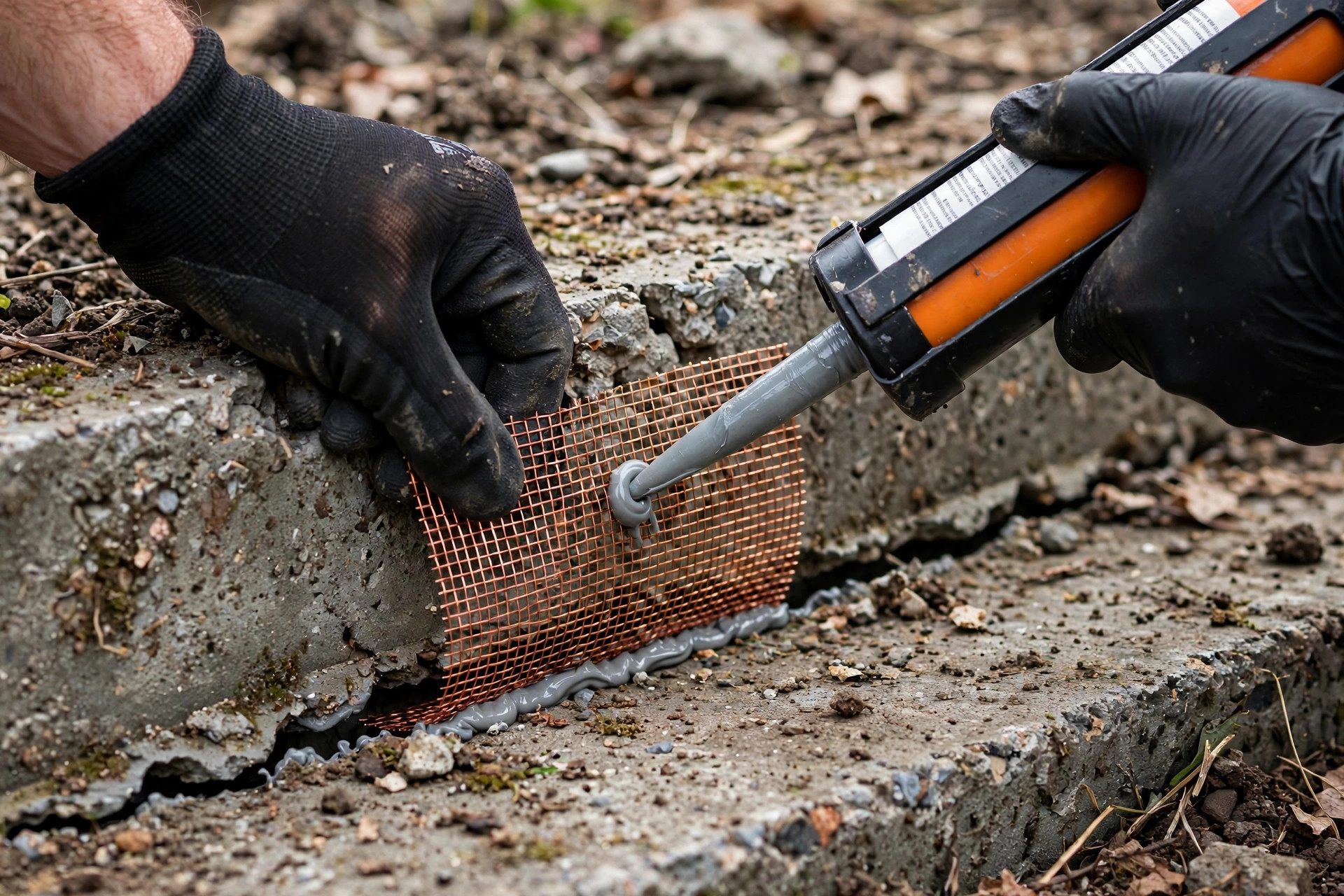
Our garage and basement service covers the whole job. We inspect the garage door, the foundation line, and every pipe and wire entry, trap and remove the rodents living there, seal the entries with steel and copper mesh, door sweeps, and vent covers, and clean up droppings and nesting. Follow-up visits confirm the space stays quiet.
How Garage and Basement Rodent Control Works
Every garage and basement job follows the same four steps. First we inspect the garage door seal, the foundation line, pipe and wire entries, and stored items, with photos so you can see exactly what we find. Then we trap and remove the rodents living in the space. Next we seal every entry with chew-proof materials. Finally we follow up to confirm the activity has stopped and the seals are holding.
Inspect the garage and basement
Door seals, foundation cracks, pipe entries, vents, and stored items checked, with photos of what we find.
Trap and remove
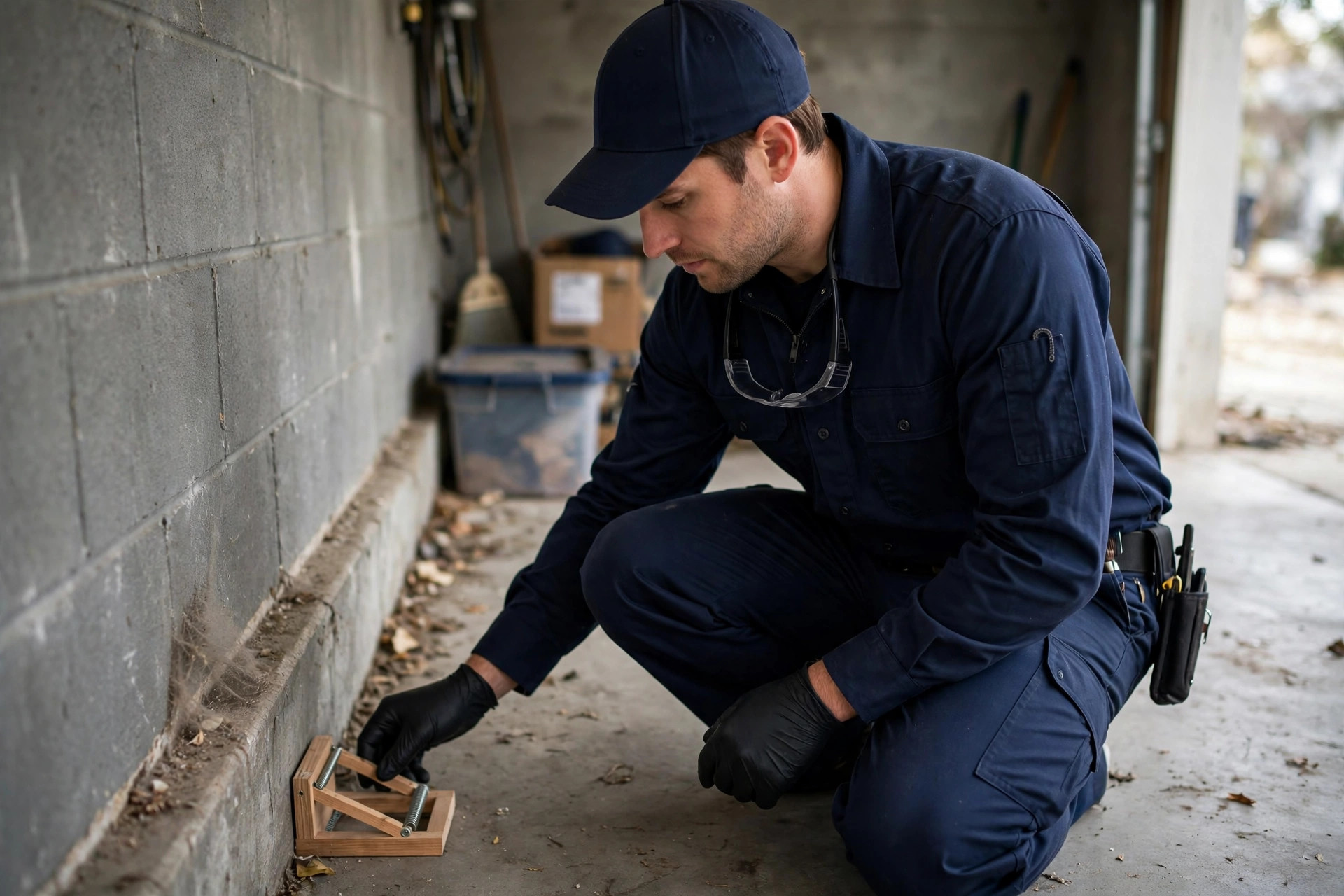
Traps placed on the runways rats and mice actually travel, sized to the population in the space.
Seal the entries
Garage door sweeps, foundation gaps, vent covers, and pipe gaps closed with steel and copper mesh.
Follow-up
We confirm the activity has stopped and the seals are holding.
Signs of Rodents in the Garage or Basement
- Droppings along garage walls and the basement floor
- Gnawed storage boxes, fabric, or insulation
- Scratching in the basement ceiling at night
- A garage door seal that is chewed, cracked, or gapped
- Pet food, birdseed, or stored food disturbed
- A musky odor in the basement
- Nesting in stored fabric, boxes, or insulation
- Rats seen near the garage at dusk
Why Garages Are the Front Door
A garage door is the largest opening in most houses, and it is also the least sealed. The gap under the door, the worn seal along the sides, and the gaps where the door frame meets the wall are all entries a mouse can use. Garages also hold what rodents want: pet food, birdseed, grass seed, firewood, and boxes to nest in.
Once rodents are in the garage, the house is one thin wall away. Mice travel through the wall between the garage and the living space, along pipes and wires, and into kitchens and pantries. Treating the garage as part of the house, not a separate building, is what stops the cycle.
Basements: Quiet, Damp, and Easy to Miss
Basements hide rodent activity longer than any other room. Foundation cracks open slowly as a house settles, pipe and wire penetrations are rarely sealed from the inside, and window wells collect leaves and debris that give rats cover. A basement with stored belongings is a ready-made nest site.
The signs are subtle: a few droppings near the water heater, gnaw marks on a box, a faint odor near the stairs. By the time scratching is heard in the ceiling above the basement, the population is usually well established. That is why the inspection starts low, at the foundation line, before anyone looks at the attic.
Why Puyallup Garages and Basements Attract Rodents
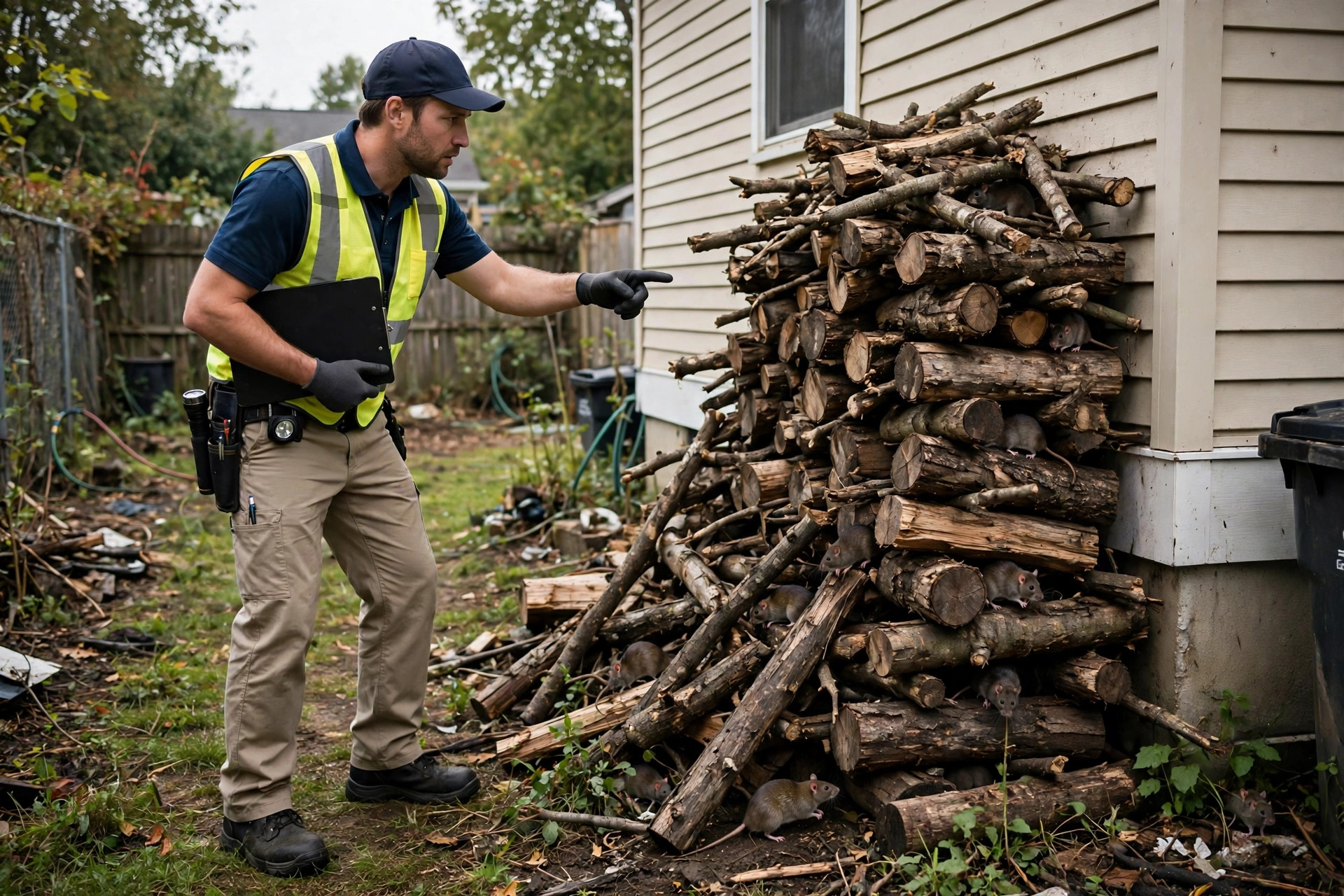
Puyallup's wet winters push rodents toward dry shelter, and garages and basements are the driest rooms in the house. Firewood stacked against the garage, pet food in the garage, and birdseed in the shed all feed the population right next to the door.
Older homes near downtown have settled foundations with cracks that open a little more every year, while homes in South Hill often have garages under living space, so a garage problem becomes a house problem fast. Fall is when most calls come in, as outdoor food runs out and rats and mice look for somewhere warm.
Honest Advice Before You Book
A garage packed floor to ceiling with boxes makes trapping harder, because traps cannot be placed on runways that are buried. Clearing a path along the walls before the visit helps more than anything else you can do.
A new door sweep alone will not fix a foundation gap, and sealing the garage without trapping first seals the rodents inside with you. And skip poison in a garage: it endangers pets, and poisoned rats die inside walls where they cannot be reached. Trapping plus sealing is the approach that actually ends a garage or basement problem.
Garage and Basement Rodent Control FAQs
More Rodent Control Services in Puyallup
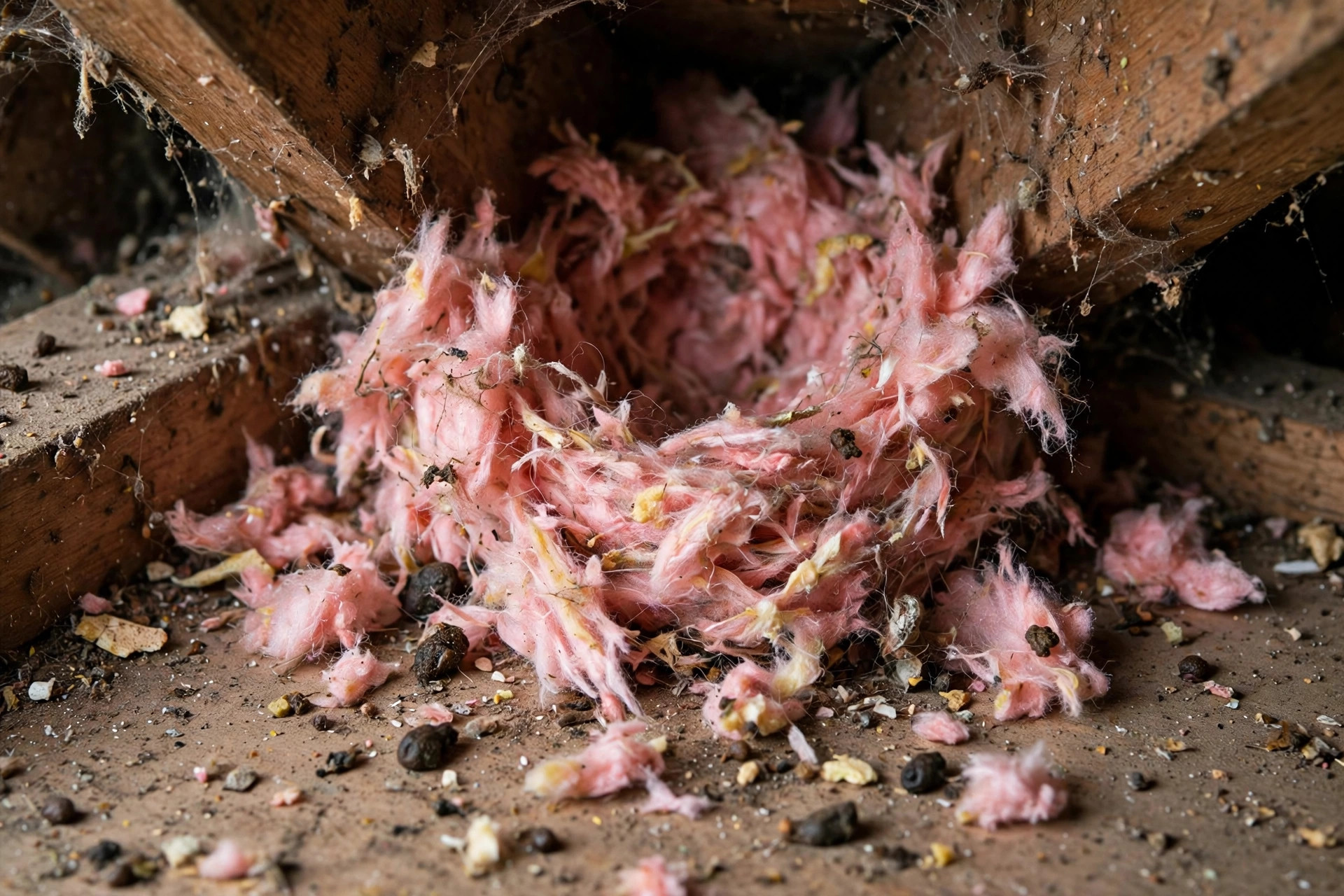
Rodent Removal
Professional rat and mouse removal from walls, attics, crawl spaces, and living areas.
Learn more →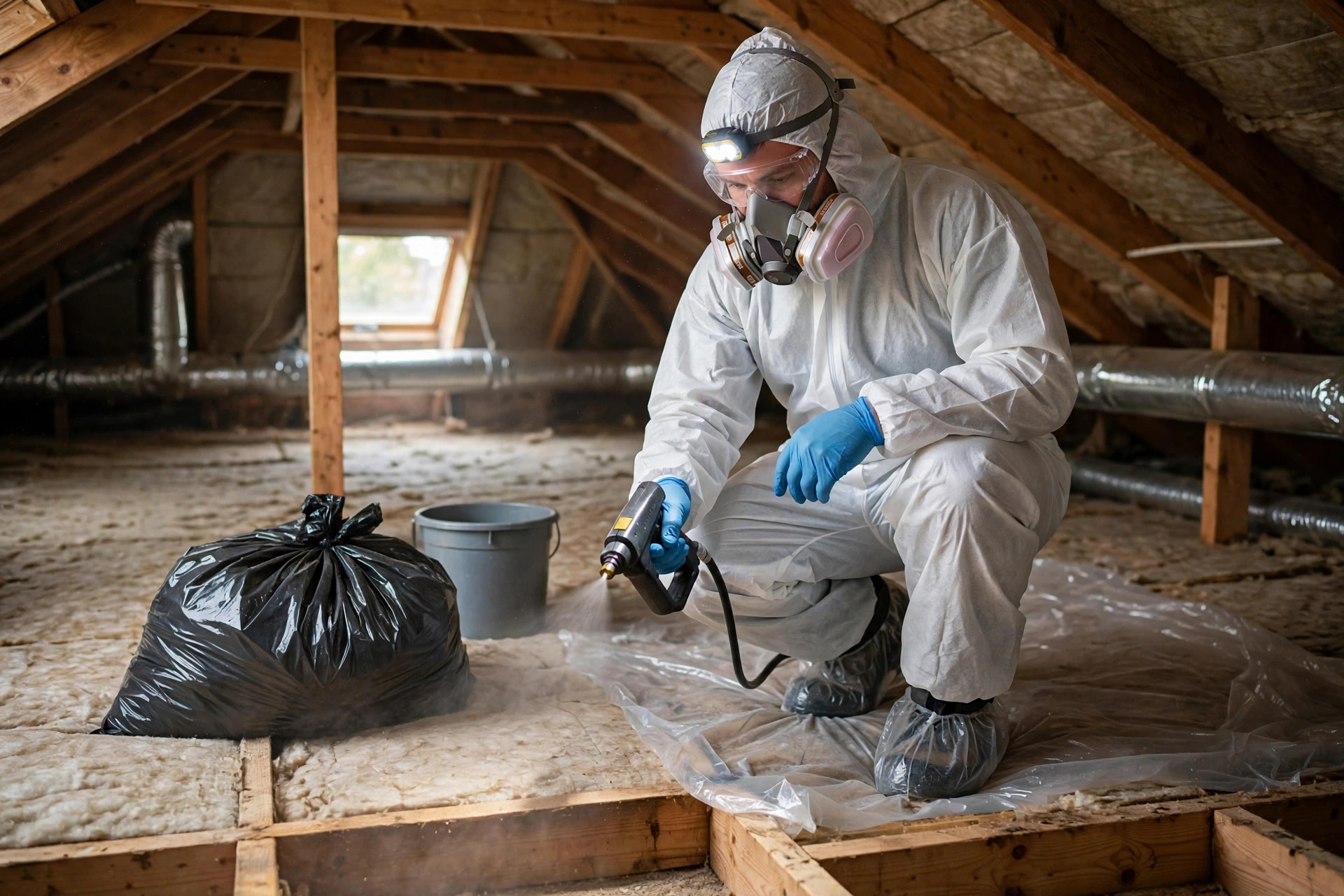
Rodent Exclusion
Permanent rodent exclusion: entry-point sealing for foundations, doors, pipes, and rooflines.
Learn more →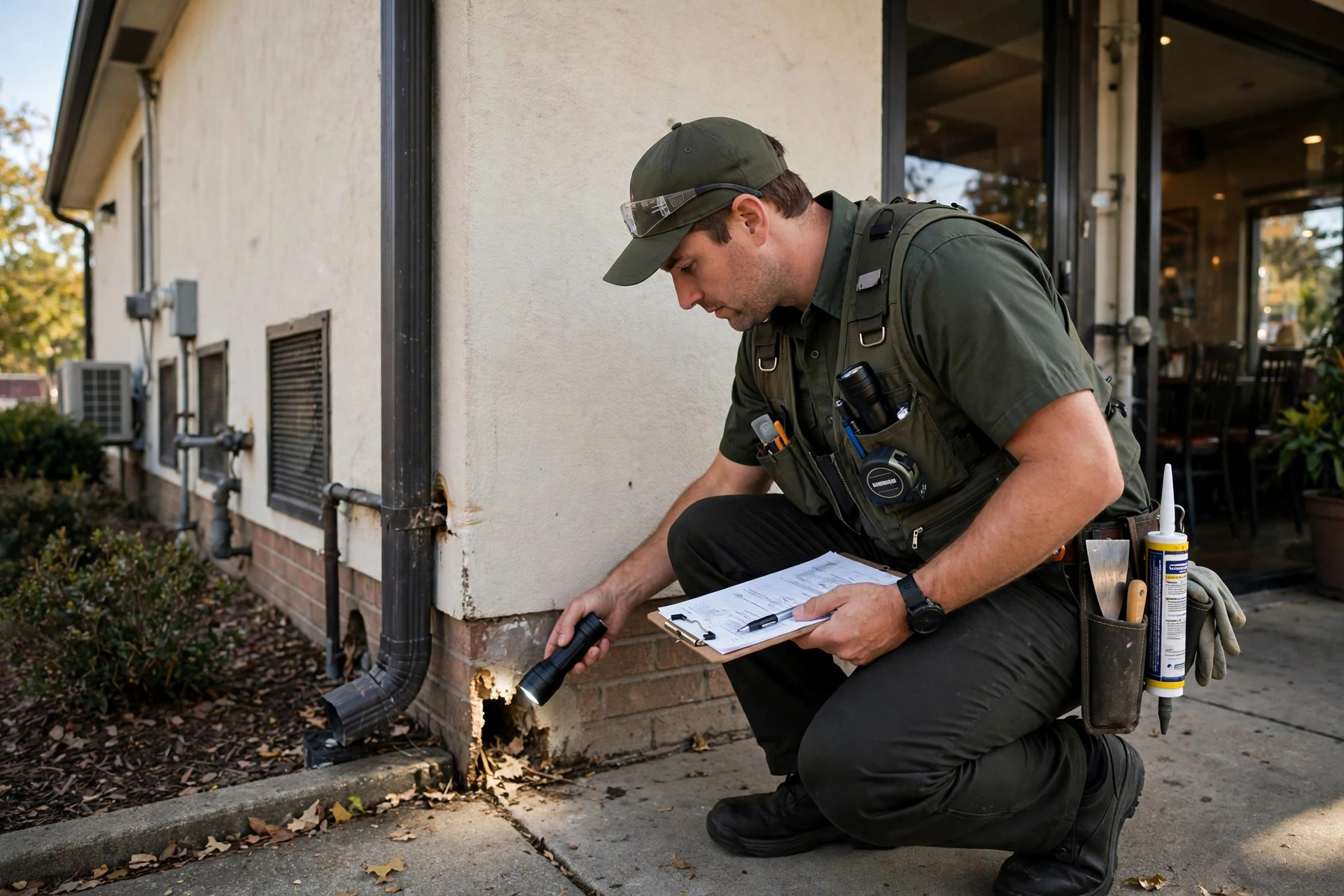
Mice Control
House mouse removal and prevention for kitchens, pantries, garages, and whole homes.
Learn more →Ready to Solve Your Garage and Basement Rodent Problem?
Call Puyallup Rodent Pros now for fast garage and basement rodent control in Puyallup, WA.
(253) 452-0383Call Now